Why Medical Colleges Should Teach Virtual Autopsy Today
Summary
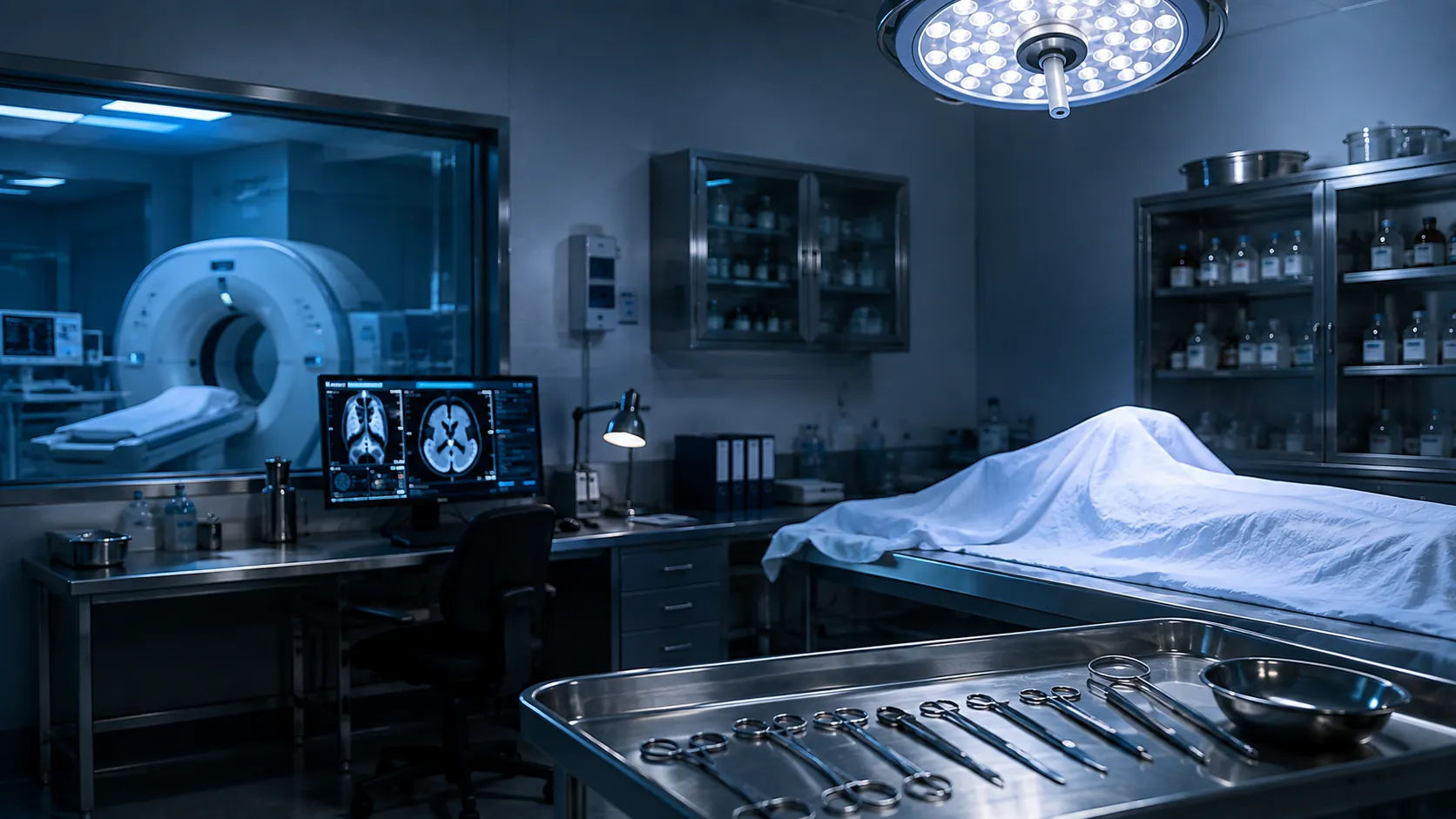
Virtual autopsy in forensic medicine is becoming increasingly relevant as imaging and digital evidence take center stage in modern forensic practice. Here are six reasons medical colleges should consider introducing virtual autopsy training alongside conventional forensic education.
Is Forensic Medicine Education Keeping Pace with Forensic Practice?
Virtual autopsy in forensic medicine is no longer a topic reserved for future discussions. Medical imaging, digital documentation, and technology-assisted investigation already influence how forensic evidence is examined, preserved, and interpreted. For medical colleges in India, this raises an important educational question: are students being prepared only for the forensic practices they encounter during training, or also for the environment in which they may practise over the next several decades?
From what we see in forensic technology and education, there are six good reasons to start that conversation today.
1. Students Need to Learn the Forensic Medicine They May Actually Practise
A postgraduate student beginning forensic medicine training today could still be practising in the 2050s. Over that period, imaging, digital evidence and multidisciplinary investigation are likely to become increasingly relevant to the profession. The change is already visible. The National Medical Commission's postgraduate curriculum for forensic medicine includes adequate knowledge of radiological procedures for solving medico-legal problems. International forensic practice provides another indication.
INTERPOL's Disaster Victim Identification framework includes medical imaging among the examination methods used during the post-mortem phase of DVI. That makes exposure to forensic imaging education increasingly relevant. Students do not need to become radiologists. They do, however, need to understand what imaging can reveal, where its limitations lie and how it fits within a wider forensic investigation. Medical education has always had to look ahead. Forensic medicine should be no different.
2. A CT Image Can Teach Students to Look at a Case Differently
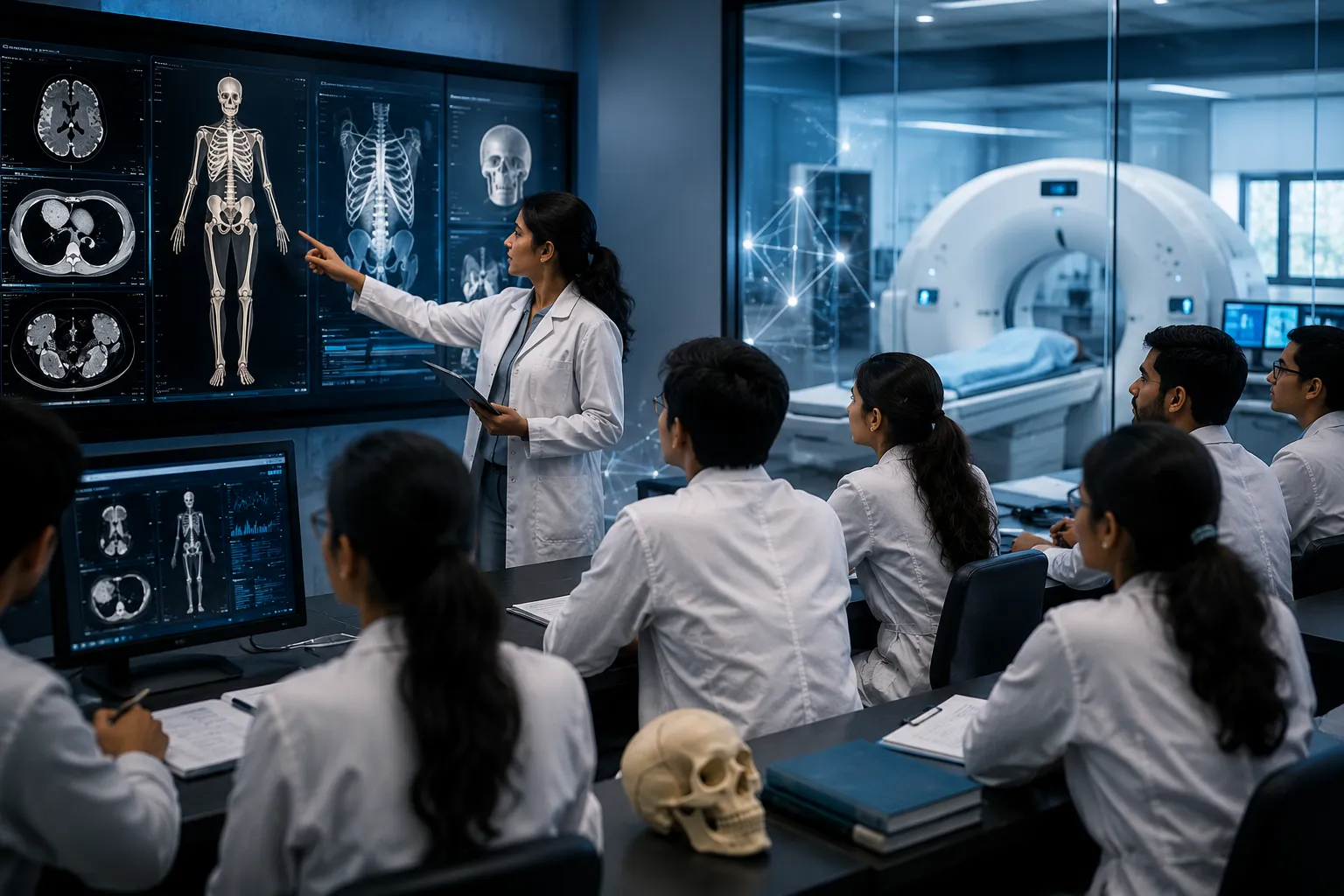
There is an educational difference between being shown a finding and being asked to discover it. Consider a teaching case involving skeletal trauma. Students could first examine post-mortem CT images, navigate different anatomical views, identify areas that deserve attention and discuss possible interpretations. They could then compare those observations with findings from the conventional examination. The lesson becomes much richer than recognising an injury.
Students begin asking:
What does the imaging show clearly?
What remains uncertain?
Which findings require further examination?
Do the imaging and pathological findings correlate?
Could the image be interpreted differently without the complete forensic context?
This is where virtual autopsy training can make an important contribution. Students are not simply learning how to view an image. They are learning how to question evidence, correlate findings and form a reasoned interpretation. In other words, they are developing forensic judgement.
Want to understand where CT fits into present-day forensic investigation?
EXPLORE MORE
3. Digital Cases Can Keep Teaching Long After the Examination Is Over
An autopsy happens once. The learning from it does not have to. One of the most interesting educational possibilities of forensic imaging is revisiting a case. Properly anonymised and governed imaging datasets can allow different batches of students to examine the same case from different perspectives. A faculty member could use one case to discuss anatomy in one session, trauma interpretation in another, and medico-legal reasoning later. Postgraduate students could return to it during research or case discussions.
This also opens opportunities for multidisciplinary learning. Forensic medicine students, radiologists and other specialists can examine the same evidence through different professional lenses.
Real-world evidence supports the value of preserving CT information this way. Research examining multislice CT in disaster victim identification highlighted benefits including observer-independent documentation and the ability to reconstruct different images long after the original examination. For a medical college, that creates an interesting possibility: individual cases can gradually become part of an institution's educational memory.
4. Students Need to Learn Where Technology Stops Helping
This may be one of the strongest arguments for teaching virtual autopsy. Students should encounter technology's limitations while they are learning, rather than after they begin depending on it. A CT scan may provide valuable information about skeletal trauma, foreign bodies or internal structures. Other questions may still require direct examination, toxicology, histopathology or other investigative methods.
Published discussion around teaching and examining post-mortem CT-based autopsies similarly emphasises that trainees need to learn how radiological information relates to ante-mortem information and external examination, while recognising that some pathology is not well demonstrated by post-mortem CT. This creates a valuable teaching opportunity. Students can compare imaging findings with conventional findings and ask why they agree, why they differ and what additional examination may be required. This develops a professional habit that will remain important regardless of how sophisticated forensic technology becomes: never interpret one source of evidence in isolation.
5. Forensic Imaging Can Bring Traditionally Separate Departments Together
This may be one of the strongest arguments for teaching virtual autopsy. Students should encounter technology's limitations while they are learning, rather than after they begin depending on it. A CT scan may provide valuable information about skeletal trauma, foreign bodies or internal structures. Other questions may still require direct examination, toxicology, histopathology or other investigative methods.
Published discussion around teaching and examining post-mortem CT-based autopsies similarly emphasises that trainees need to learn how radiological information relates to ante-mortem information and external examination, while recognising that some pathology is not well demonstrated by post-mortem CT. This creates a valuable teaching opportunity. Students can compare imaging findings with conventional findings and ask why they agree, why they differ and what additional examination may be required. This develops a professional habit that will remain important regardless of how sophisticated forensic technology becomes: never interpret one source of evidence in isolation.
How does digital evidence remain useful after an examination is complete?
EXPLORE MORE
6. Medical Colleges Do Not Have to Begin with an Entire Virtual Autopsy Facility
Perhaps the most practical question is: where does a medical college begin? It does not necessarily have to start with major infrastructure. From our experience working around forensic education and technology, a more useful starting point is often exposure before expansion. Institutions can first understand where virtual autopsy adds genuine educational value and build their capabilities progressively.
Depending on their academic objectives and available resources, colleges could begin with:
faculty-led discussions using selected post-mortem imaging cases
CT interpretation sessions alongside conventional autopsy teaching
digital case libraries for supervised learning
collaborative teaching between forensic medicine and radiology departments
exercises comparing imaging observations with conventional findings
postgraduate research using appropriately governed imaging datasets
Faculty development matters just as much as student access. A sustainable programme requires teachers who understand the technology, its forensic relevance and, importantly, its limitations.
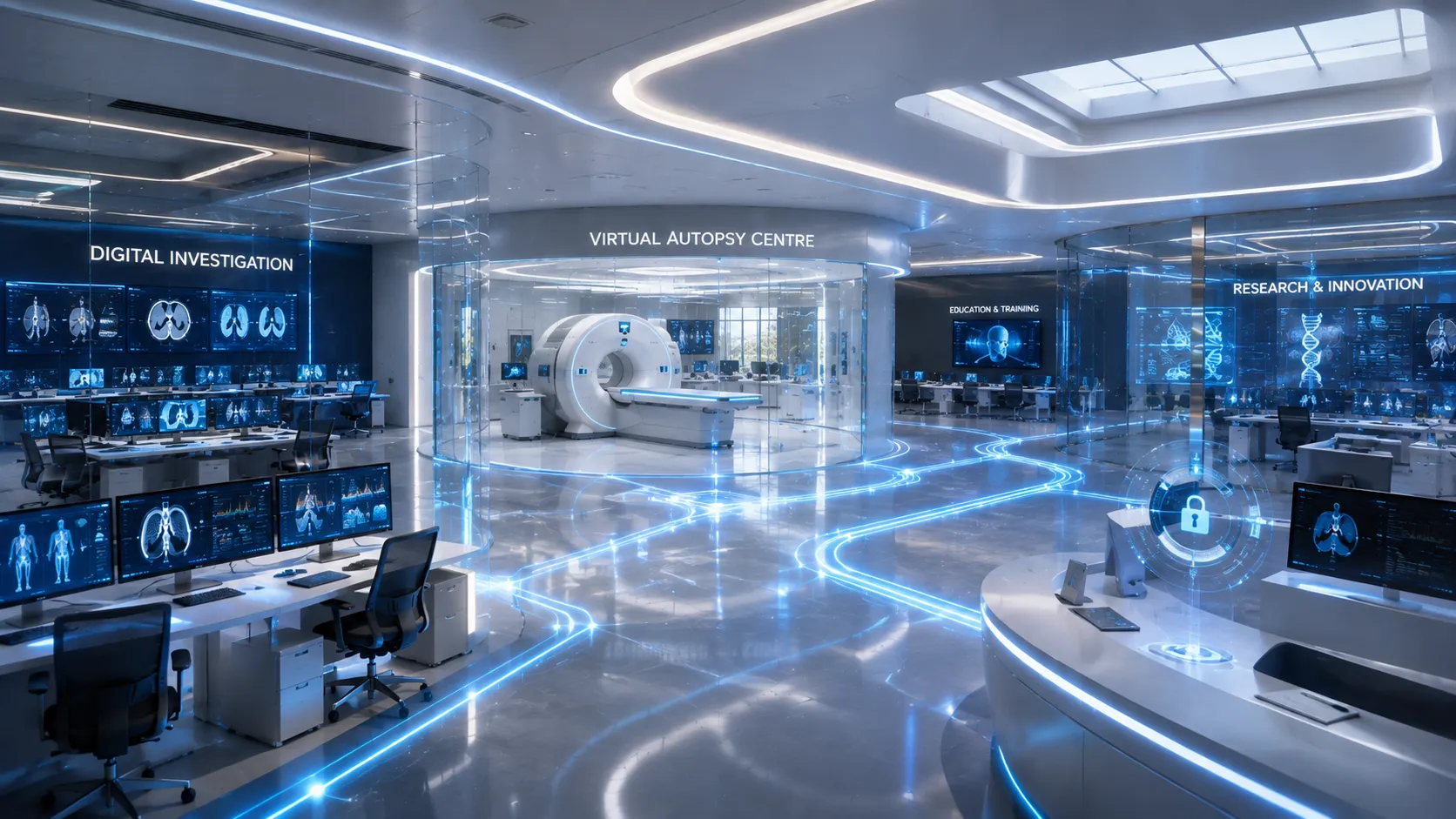
At SEVA Technologies, this thinking shapes how we approach forensic education. We see imaging, digital workflows, practical learning and research as parts of a connected forensic ecosystem. The objective is not to introduce technology simply because it is available. It is to create an environment where students and experts can learn to use it responsibly, critically and confidently.
Preparing Students for the Forensic Medicine They Will Practise
Medical colleges have always had to balance two responsibilities: teaching established forensic principles and preparing students for a profession that will continue to evolve. Virtual autopsy in forensic medicine sits directly at that intersection. Introducing students to imaging, digital evidence and multidisciplinary interpretation can strengthen forensic education while preserving the scientific foundations of conventional practice. The question, therefore, may no longer be whether students will encounter these technologies during their careers. It is whether their education will prepare them to use them well.
Exploring how virtual autopsy training could become part of your institution's teaching, research or forensic infrastructure?
FAQs
Virtual autopsy uses medical imaging, primarily CT and in some settings MRI, to examine and document internal findings after death. In forensic medicine, it can provide information about skeletal trauma, foreign objects, internal structures and other findings. It is generally used as part of a broader forensic investigation rather than as a universal replacement for conventional autopsy.
Medical colleges can use virtual autopsy training to familiarise students with the growing role of imaging and digital evidence in forensic practice. It helps connect anatomy, radiology and forensic interpretation while developing skills in evidence correlation and documentation. Early exposure can also prepare students to collaborate more effectively with radiologists and other forensic specialists later in their careers.
No. The educational value lies in understanding how the two approaches can complement each other. Imaging can demonstrate certain findings particularly well, while toxicology, histopathology, direct examination and other methods remain essential for answering different forensic questions. Teaching students to compare these sources of evidence helps them understand both the possibilities and limitations of forensic imaging.
Colleges can begin without establishing a complete virtual autopsy facility. Selected post-mortem CT cases can be incorporated into existing forensic medicine classes through faculty-led discussions, interpretation exercises and collaboration with radiology departments. Institutions can subsequently develop digital case libraries, postgraduate research programmes or more extensive infrastructure as their academic needs and expertise evolve.
Students can develop familiarity with cross-sectional anatomy, imaging interpretation, evidence correlation, digital documentation and multidisciplinary case analysis. Equally important is learning when imaging provides sufficient information and when additional investigation is required. That judgement helps students approach forensic technology critically rather than treating an imaging finding as an isolated or automatically definitive answer.
Yes. Properly anonymised and governed imaging datasets can support postgraduate research, retrospective case analysis, comparative studies and multidisciplinary learning. Because digital cases can be revisited, they may allow faculty and students to examine specific injury patterns or research questions over time. Their use should always follow applicable ethical, legal, consent, privacy and institutional data-governance requirements.
Yes. Medical imaging can contribute to the post-mortem phase of disaster victim identification by documenting findings and identifying features that may assist comparison with ante-mortem information. INTERPOL's DVI framework includes medical imaging as a post-mortem examination method. Exposure during forensic education can therefore help students understand applications that extend beyond routine medico-legal casework.