HomeAbout UsCapabilityPlatformTrainingContact Usblog
When Families Have Concerns About Autopsy: Can Technology Offer Another Way?
ETHICAL CARE4 MIN READ

When Families Have Concerns About Autopsy: Can Technology Offer Another Way?

Summary

A non-invasive autopsy can offer another way to investigate death when families have concerns about conventional procedures. Advances in postmortem imaging and minimally invasive autopsy techniques are creating more options while keeping dignity, evidence and forensic judgement at the centre.

Why Are Families Looking for Other Ways to Understand a Death?

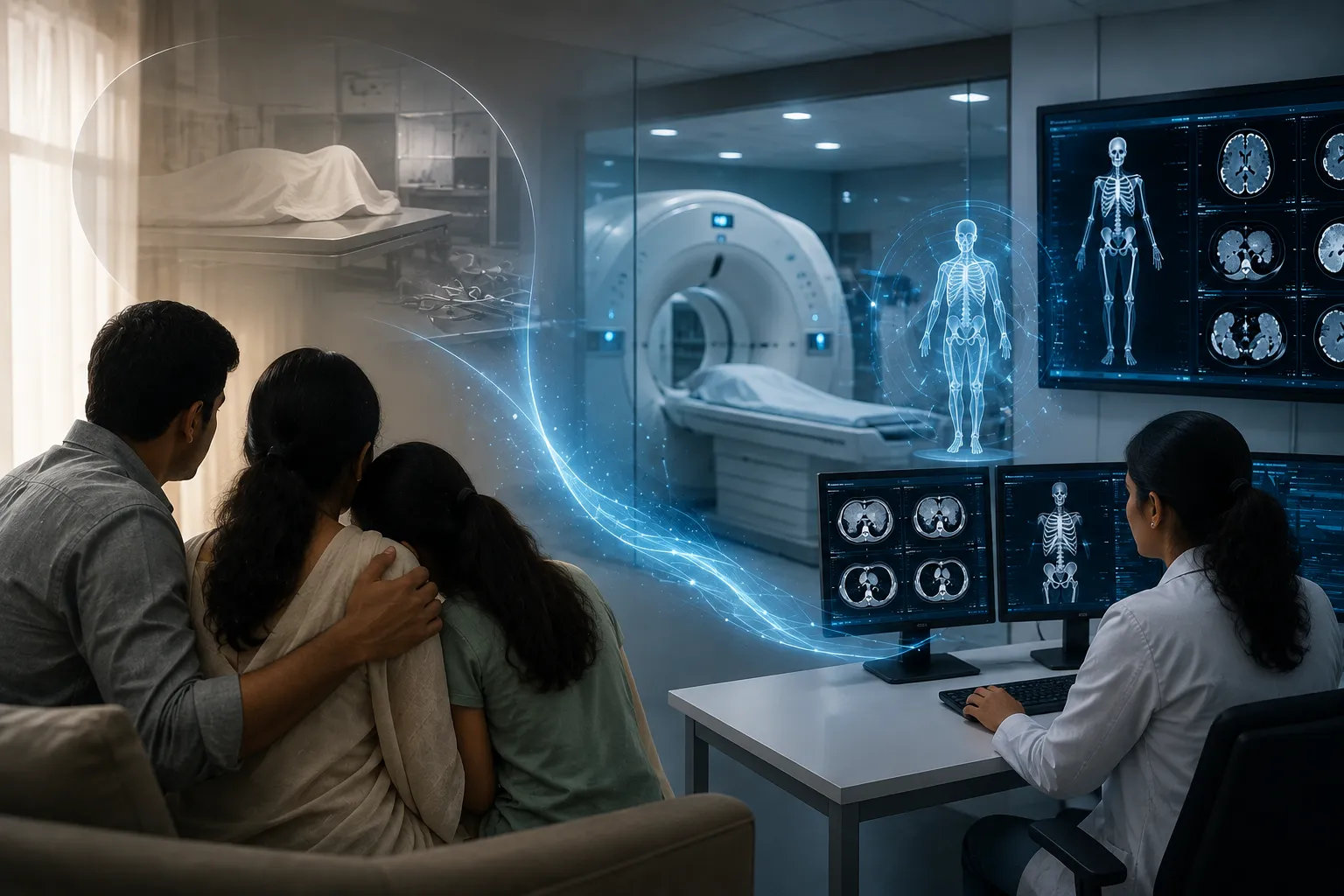
A non-invasive autopsy can become an important consideration when a family wants answers about a death but has concerns about a conventional autopsy. Those concerns may arise from religious beliefs, cultural practices, the need for timely last rites, or simply a desire to preserve the dignity of the deceased. For forensic professionals, this creates a sensitive question: How can an investigation gather the evidence it needs while recognising what the family is going through?

Technology cannot answer that question on its own. But advances in postmortem imaging and less invasive techniques are giving forensic teams more ways to approach it.
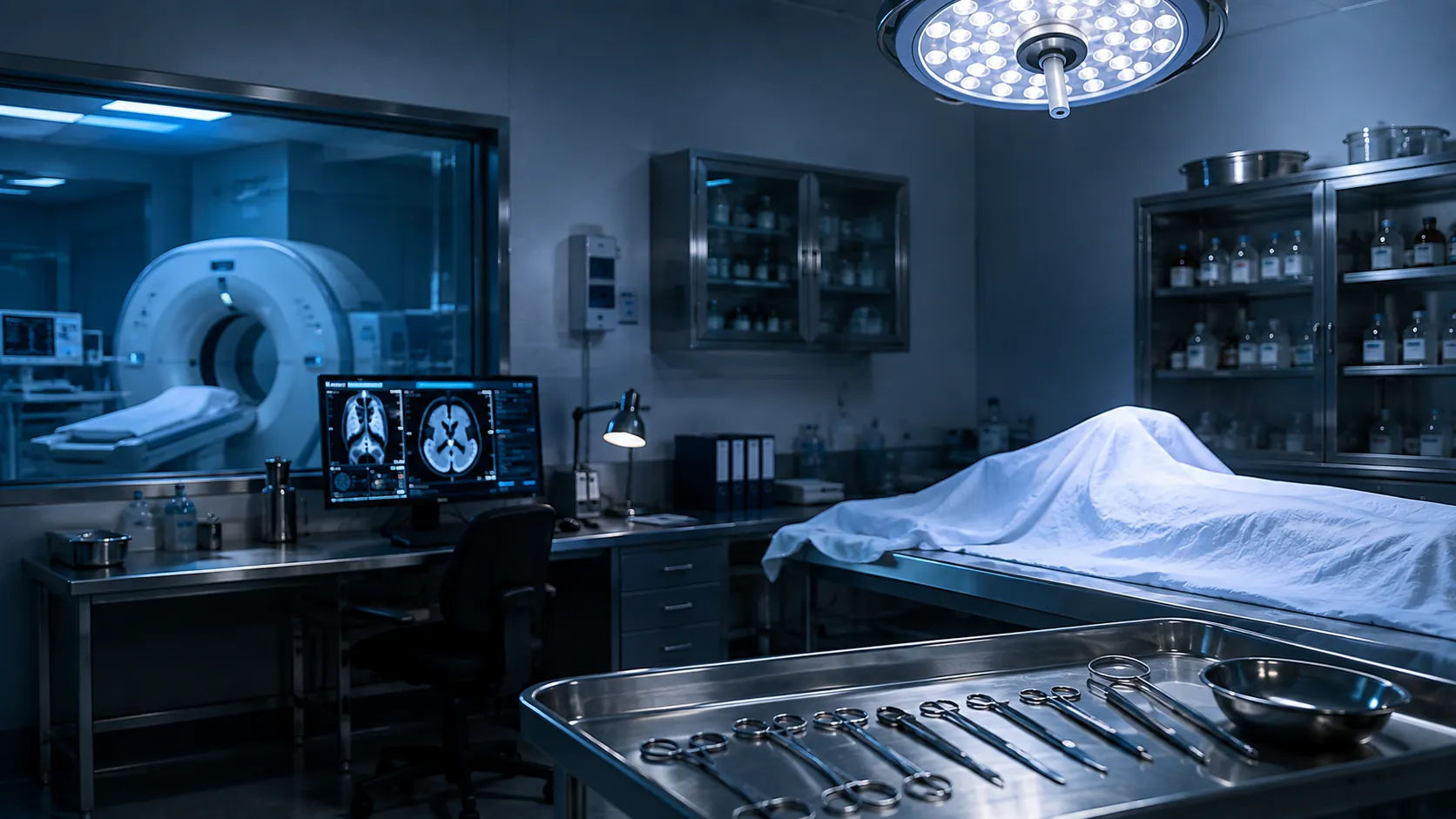
Why Might a Family Have Concerns About a Conventional Autopsy?

In routine forensic practice, cases generally move through established processes one at a time. A mass disaster changes both the volume and the pace. The challenge is not simply examining more deceased individuals. Information is also coming from several directions. Scene records, photographs, fingerprints, dental information, DNA, medical histories, radiological records and personal belongings may all become relevant to identification.

INTERPOL defines Disaster Victim Identification as the process of establishing the identity of people who have died as a result of a disaster. Its internationally recognised DVI process brings together scene examination, post-mortem information, ante-mortem information and reconciliation. Visual recognition alone is generally insufficient for conclusive identification. That makes information management central to DVI. A finding is useful only when forensic teams know where it came from, who it belongs to and how it connects with the rest of the case.

In our work around forensic technology, this is an area we believe deserves more attention. Disaster readiness is often discussed in terms of response capacity. Information capacity matters just as much.

What Can a Non-Invasive Autopsy Actually Do?

Postmortem imaging allows forensic specialists to examine the body using technologies such as computed tomography (CT) and magnetic resonance imaging (MRI). The resulting images create a detailed internal record without the incisions associated with a conventional autopsy. Depending on the circumstances, imaging can help forensic experts examine:

fractures and skeletal injuries

foreign bodies and their location

certain patterns of trauma

gas distribution within the body

anatomical abnormalities and some pathological changes

findings that may guide further examination or targeted sampling

The digital nature of the examination also brings another advantage. Images can be preserved, reviewed again, shared with authorised specialists and used alongside other forensic evidence.

RELATED READING

For readers interested in how imaging is already changing forensic investigation, explore

EXPLORE MORE
Postmortem Imaging

Postmortem imaging does have limitations. Certain conditions and subtle tissue changes may require histology, toxicology, microbiology or direct examination. The appropriate approach therefore depends on the circumstances of the death and the medico-legal questions being asked. That distinction is important because non-invasive autopsy should not be presented as a universal substitute for conventional autopsy.

Could Minimally Invasive Autopsy Fill the Space Between Imaging and Conventional Autopsy?

In some cases, yes. A minimally invasive autopsy may combine postmortem imaging with targeted tissue or fluid sampling. This can give forensic specialists additional information while reducing the extent of physical intervention.

Researchers have studied the idea in different settings. One study involving bereaved parents found that 91% of participants indicated that they would consent to some form of less invasive autopsy, compared with 54% for standard autopsy. Acceptance was 77% for non-invasive autopsy and 74% for minimally invasive autopsy. The researchers also highlighted practical considerations including skills, training and the limitations of different techniques.

The study on less invasive perinatal and paediatric autopsy provides useful evidence of why families may value having more than one option. This suggests a direction that forensic institutions may increasingly need to consider. The future may involve choosing the most appropriate combination of methods for each case rather than expecting every investigation to follow the same pathway.

Does Better Technology Automatically Mean Greater Family Acceptance?

Not necessarily. One of the most useful lessons from research in this area is that technology and communication have to develop together. A CT scanner cannot explain a procedure to a grieving relative. An imaging report cannot address a family's cultural concern. A technically advanced forensic facility will still depend on people who can communicate with sensitivity and explain what a particular examination can and cannot establish. In practice, a family-centred approach may require forensic and clinical teams to explain:

why a postmortem investigation has been recommended

what the proposed procedure involves

whether the body will be physically altered

how long the examination is likely to take

what additional tests may still be required

how the findings will contribute to understanding the death

The same North India research found that healthcare providers' attitudes and communication were important factors in acceptance. That makes communication part of good forensic practice rather than an administrative step before the investigation begins.

What Should Institutions Consider Before Offering Less Invasive Options?

Introducing postmortem imaging involves more than acquiring imaging equipment. Hospitals, medical colleges, and forensic institutions need to consider the entire pathway. This includes trained professionals, imaging protocols, reporting expertise, secure preservation of digital evidence and clear criteria for when further investigation is required. Education matters too. As imaging becomes a larger part of forensic practice, students and practising professionals need opportunities to understand both its possibilities and its limitations.

This is why we see the evolution of forensic care as an ecosystem question. At SEVA Technologies, our approach begins with the belief that responsible technology should strengthen forensic experts' work while preserving dignity throughout the process. That means thinking about imaging, digital workflows, evidence preservation, education and research as connected parts of modern forensic infrastructure.

RELATED READING

For a broader view of how these technologies fit into contemporary investigations, read

EXPLORE MORE
Digital Evidence

Preparedness Is Bigger Than Buying a Scanner

One observation has become increasingly clear: forensic technology creates its greatest value when the surrounding ecosystem is ready for it. A CT scanner without trained professionals, imaging protocols, secure data management or integration with forensic workflows has obvious limitations. The same applies to sophisticated digital evidence systems if teams have not been trained to use them under real operational pressure. For institutions focused on disaster preparedness, we believe four capabilities must develop together: technology, people, processes, and evidence continuity.

That means imaging capacity should connect with forensic expertise. Training should reflect real workflows. Digital records should remain traceable. And systems designed for everyday forensic work should have a clear path to scale when an extraordinary event occurs.

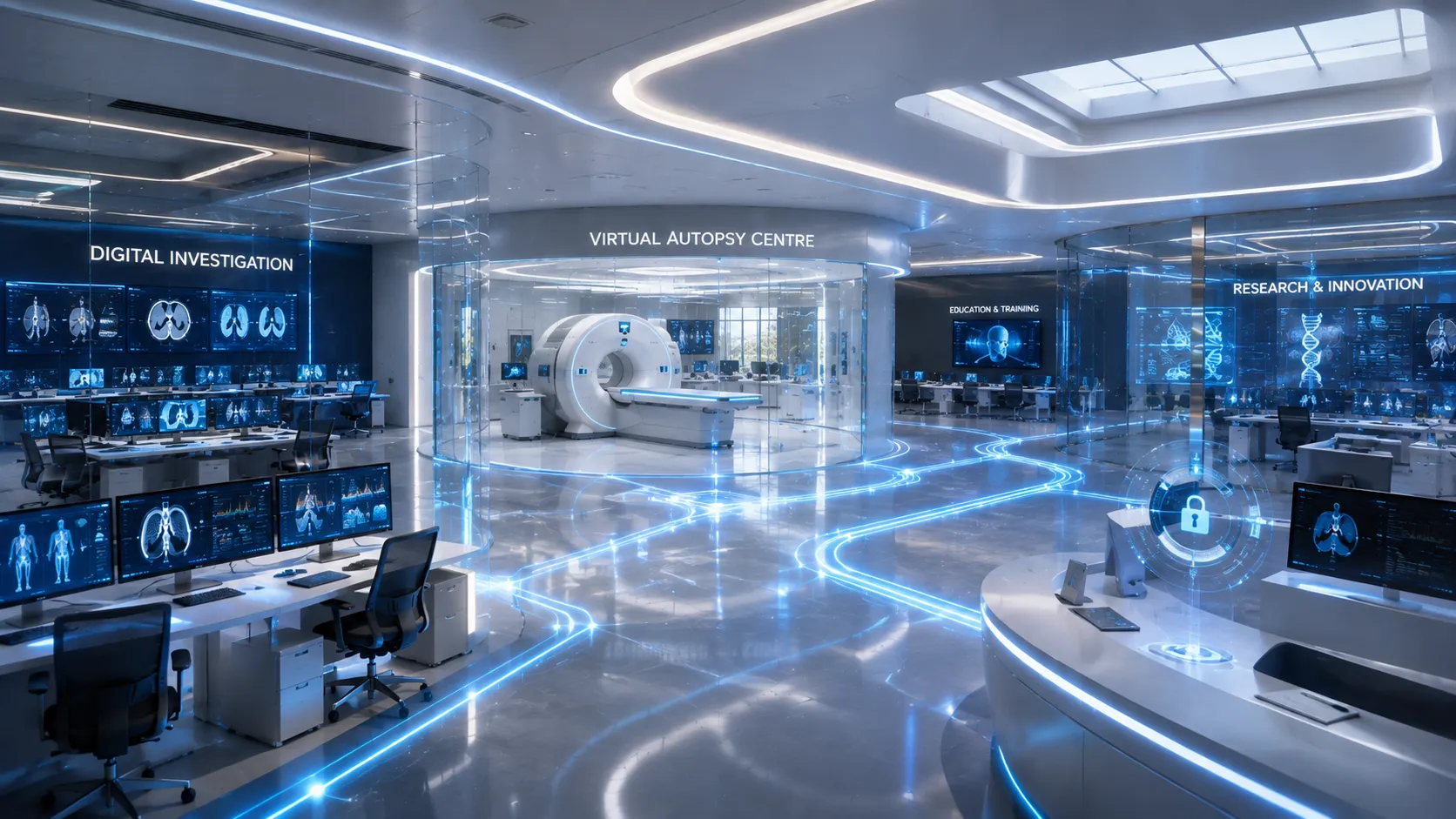
This is also how SEVA Technologies approaches Virtual Autopsy. We see it as part of a larger forensic ecosystem that brings imaging, digital workflows, education and research closer together. The intention is to strengthen the environment in which forensic experts work and create infrastructure that remains useful well beyond an individual case or technology.

Could Family Sensitivity Become Part of Better Forensic Practice?

Perhaps one of the most meaningful changes is giving forensic professionals more options. There will continue to be deaths where a conventional autopsy is necessary. There will be others where postmortem imaging can answer important questions, and some where imaging combined with targeted sampling may be appropriate. The decision must remain scientific, case-specific and consistent with the applicable medico-legal requirements. Yet having more investigative pathways can make it easier to consider both evidentiary needs and family concerns.

That balance matters in a country as culturally and religiously diverse as India. It also points towards a broader principle. Progress in forensic science should be measured not only by what technology allows us to see, but also by how responsibly we use what it makes possible.

The Future of Non-Invasive Autopsy Is About Giving Forensic Experts Better Options

A non-invasive autopsy will not remove the need for conventional examination in every case. Its value lies in expanding the choices available to forensic experts and institutions. As postmortem imaging, minimally invasive autopsy, education and digital evidence systems mature, forensic care can become more precise while remaining sensitive to families and the dignity of the deceased. Enterprise readiness will depend on building the skills, workflows and infrastructure needed to use these options responsibly.

Exploring how postmortem imaging could fit into your institution's forensic workflow?

Speak with SEVA Technologies about building a responsible, future-ready approach to forensic imaging and education.

TALK WITH US

FAQs

A non-invasive autopsy uses imaging techniques such as CT or MRI to examine the body after death without the incisions associated with a conventional autopsy. It can help document internal structures, injuries and certain abnormalities while creating a digital record for forensic review. Its suitability depends on the circumstances of the death and the information investigators need.

Not in every case. Postmortem imaging can provide valuable forensic information, but certain diseases, microscopic findings, toxicological questions or other evidence may require tissue sampling or conventional examination. Forensic experts therefore need to determine the most appropriate method case by case rather than viewing imaging as an automatic replacement for conventional autopsy.

A non-invasive autopsy generally relies on imaging without making incisions into the body. A minimally invasive autopsy may combine imaging with limited procedures such as image-guided tissue or fluid sampling. Both approaches aim to obtain useful postmortem information while reducing physical intervention, although the appropriate method depends on the forensic and clinical questions involved.

It may provide another option in appropriate cases. Research has found greater acceptance of less invasive postmortem methods among some families and communities. However, religious and cultural perspectives differ considerably between individuals and communities. Sensitive communication, informed discussion and respect for applicable medico-legal requirements remain essential when considering any postmortem procedure.

Postmortem CT can create detailed images of internal anatomy and is particularly useful for documenting fractures, skeletal trauma, foreign bodies, gas distribution and certain other findings. The images can also be preserved digitally and reviewed later. Trained professionals interpret CT findings alongside the circumstances of death and other available forensic evidence.

Researchers in India have studied minimally invasive approaches, including their acceptability among families and communities. Wider implementation requires appropriate infrastructure, trained professionals, protocols and integration with existing medico-legal processes. Institutions considering these approaches therefore need to look beyond the technology itself and plan for the complete forensic workflow.

Postmortem imaging is likely to play an increasingly important role as forensic technology, expertise and infrastructure develop. Its role will vary by case and jurisdiction. The more likely future is an integrated model in which imaging, conventional examination, targeted sampling and digital evidence are used in combinations that best answer the forensic questions involved.