HomeAbout UsCapabilityPlatformTrainingContact Usblog
How Virtual Autopsy Can Support Complex Trauma and Injury Investigations
VIRTUAL AUTOPSY•15 SEPTEMBER 2026•4 MIN READ

How Virtual Autopsy Can Support Complex Trauma and Injury Investigations

Summary

Complex trauma investigations often involve multiple injuries, fragmented evidence, and the need for multidisciplinary review. This article explores how virtual autopsy in trauma cases helps forensic teams document injuries, preserve evidence, support collaboration, and improve long-term case review through advanced imaging and digital workflows.

How Virtual Autopsy Is Changing the Way We Investigate Complex Trauma

When a forensic team investigates a death involving multiple injuries, the challenge is rarely limited to identifying a single cause. Road traffic accidents, falls from height, industrial incidents, mass casualty events, and suspected assaults often present a complex combination of injuries that must be examined, documented, interpreted, and explained.

This is where virtual autopsy in trauma cases is attracting increasing attention worldwide. In this article, we explore how forensic imaging for trauma investigation is helping institutions document injuries more comprehensively, preserve evidence more effectively, and support collaborative decision-making without compromising scientific rigour.
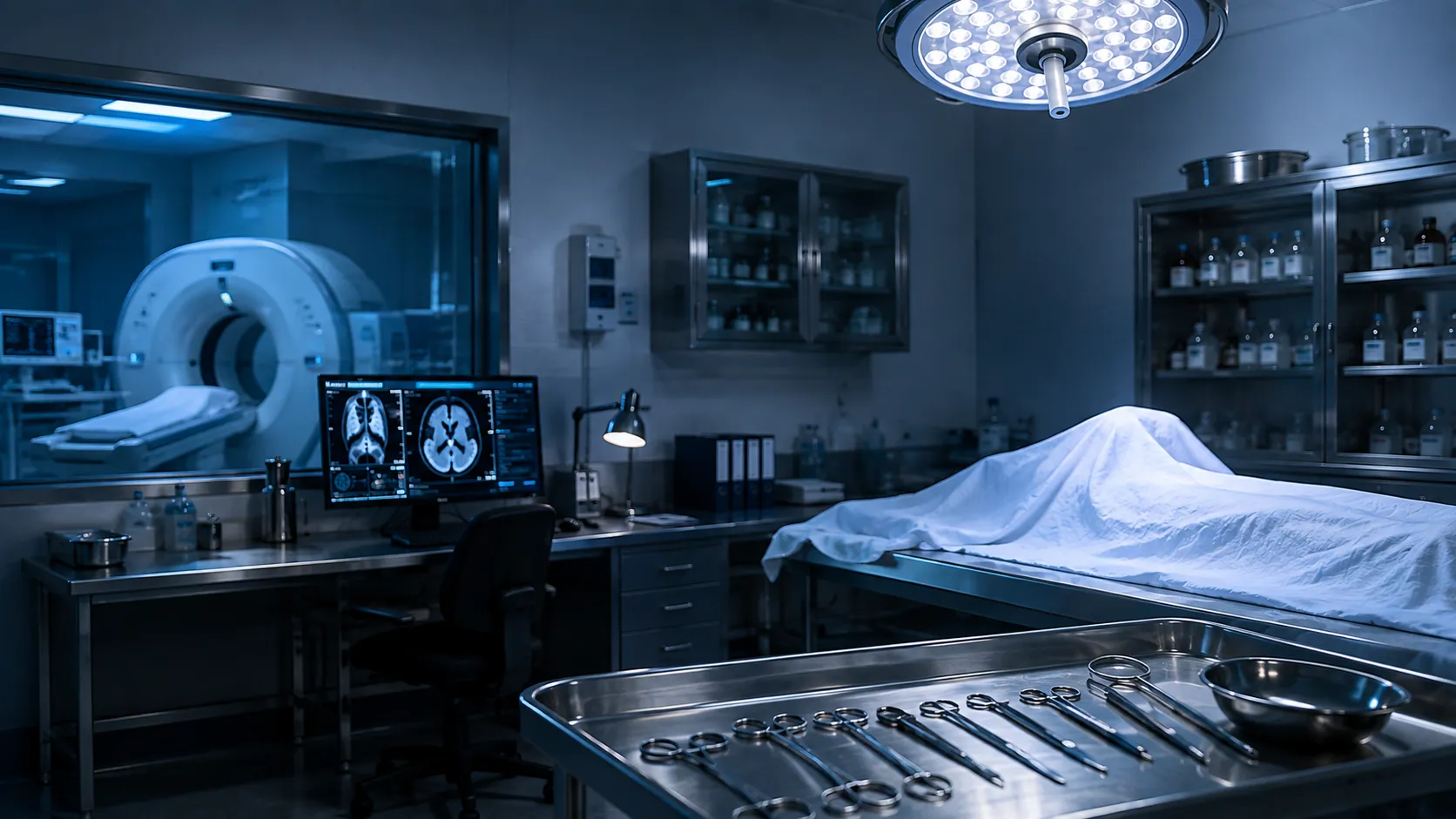
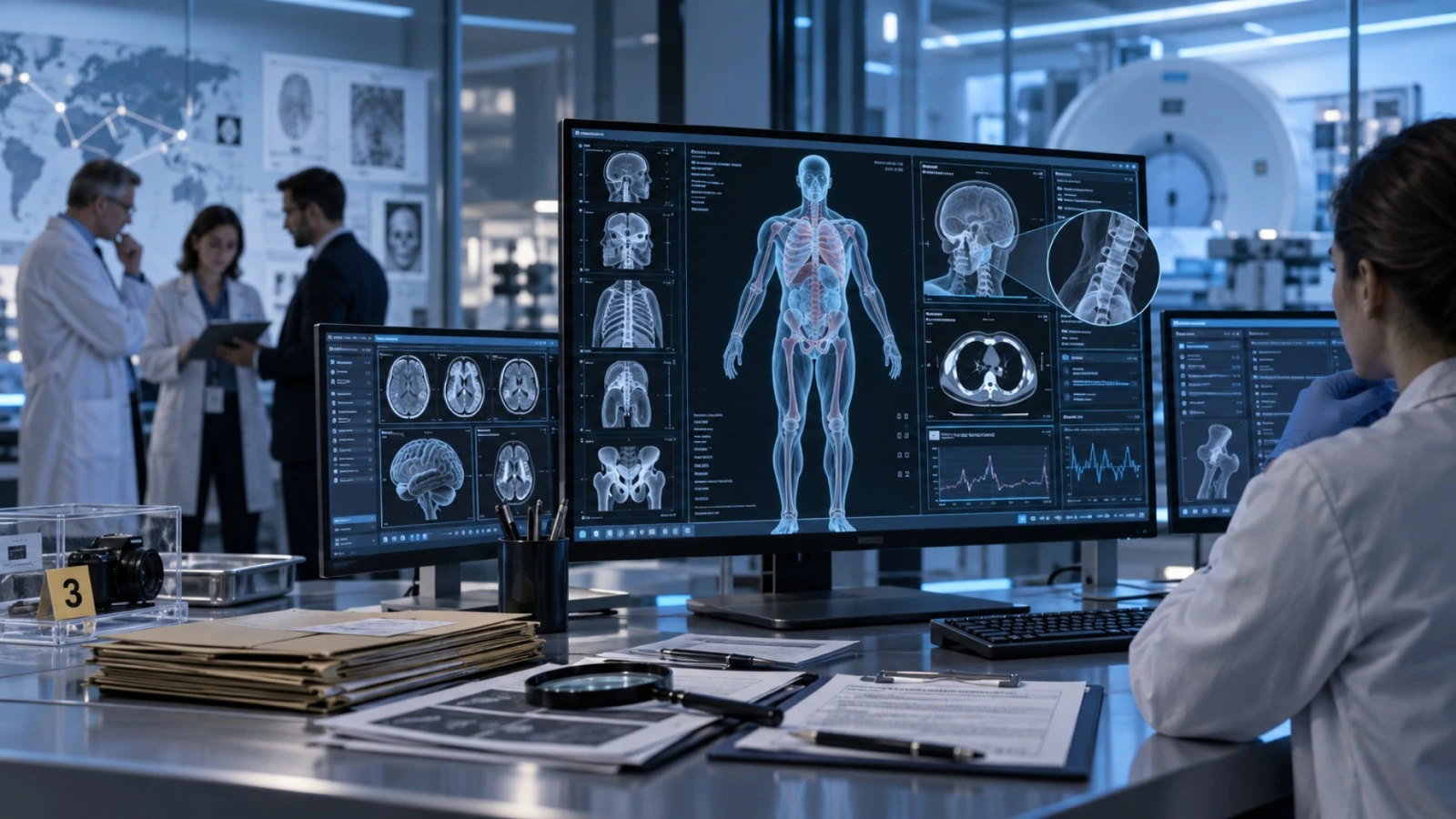
Why Are Trauma Cases Often the Most Challenging Investigations?

In our conversations with forensic professionals, a common pattern emerges. Trauma cases tend to generate the most information and often involve multiple stakeholders. A single case may require input from:

  • Forensic medicine specialists
  • Radiologists
  • Investigating agencies
  • Legal teams
  • Academic reviewers
  • Expert witnesses

The challenge becomes even greater when injuries affect multiple body systems simultaneously.

Consider a severe road traffic accident. Investigators may need to understand:

  • The sequence of injuries
  • The extent of skeletal damage
  • Internal organ trauma
  • Foreign objects or fragments
  • Potential mechanisms of injury

Traditional examinations remain essential in many situations. However, modern imaging technologies are increasingly helping teams build a more complete picture before, during, and after the examination process.

How Does Virtual Autopsy Help Visualise Complex Trauma?

One of the most significant strengths of postmortem CT in trauma cases is its ability to create a comprehensive record of the body's internal condition. According to the forensic imaging guidance published by the International Society of Forensic Radiology and Imaging, postmortem imaging has become an increasingly important component of modern forensic practice, particularly in documenting skeletal trauma and internal injuries. A postmortem CT scan can help identify:

  • Fractures across multiple anatomical regions
  • Projectile pathways
  • Air embolisms
  • Internal haemorrhage patterns
  • Foreign objects and fragments
  • Complex cranial injuries

What makes this valuable is not simply detection. It is the ability to view injuries from multiple angles and revisit findings long after the initial examination. In many forensic environments, repeated image review can support peer review, education, case discussions, and legal proceedings.

Why Does Evidence Preservation Matter So Much in Trauma Investigations?

One observation we often encounter is that evidence's value does not end when an examination is completed. Questions can emerge months or even years later. A court may request clarification, a second expert may review findings, and investigators may revisit a case because of new information.

Traditional documentation remains important, but digital imaging introduces an additional layer of preservation. The International Committee of the Red Cross guidance on forensic imaging highlights the importance of preserving objective records that can be revisited and reassessed over time. For trauma investigations, this means:

  • Permanent visual records
  • Consistent evidence review
  • Reduced dependence on memory or narrative descriptions
  • Greater transparency during legal scrutiny

This capability is becoming increasingly relevant as forensic investigations become more data-driven and multidisciplinary.

Can Virtual Autopsy Improve Collaboration in Trauma Cases?

Modern forensic care increasingly involves inputs from different specialists, particularly when trauma is complex. When imaging data is available digitally, forensic experts, radiologists, investigators, and other specialists can review the same findings and bring their respective perspectives to the case.

This also changes the nature of documentation. A written report records the expert’s findings, while imaging provides a visual record that can be revisited by another expert when required. Instead of important case knowledge remaining largely with the professionals involved in the original examination, digital datasets can become part of the institution’s long-term forensic record.

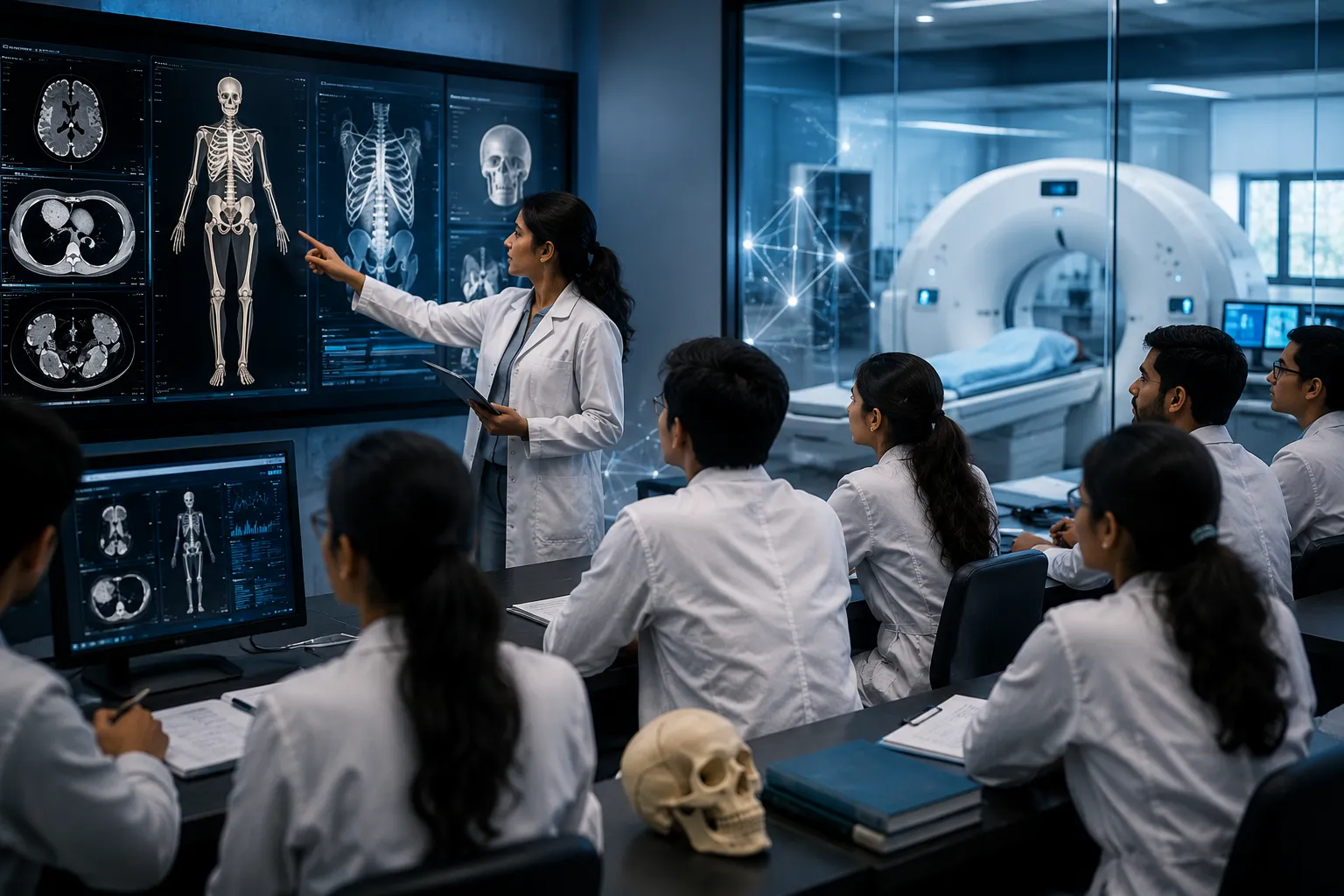
For medical colleges, teaching hospitals, and research institutions, this has an additional benefit. Complex trauma cases can become valuable teaching and research resources, allowing students and practitioners to study actual injury patterns, review findings, and discuss different interpretations using preserved case data.

In this sense, forensic imaging can contribute beyond the immediate investigation. It can help institutions build a growing body of knowledge that supports case review, collaboration, education, and research over time.

What New Perspective Is Emerging Around Trauma Investigations?

Perhaps the most interesting shift is that forensic imaging is changing how institutions think about forensic readiness. Historically, forensic capability was often measured by expertise available at a specific moment. Today, many organisations are beginning to think about:

  • Evidence preservation capability
  • Digital record accessibility
  • Interdisciplinary collaboration
  • Training infrastructure
  • Future case review requirements

We believe this represents an important transition. The discussion is gradually moving beyond imaging technology itself and towards the creation of forensic ecosystems where evidence, expertise, education, and investigation remain connected throughout the lifecycle of a case.

This philosophy sits at the heart of SEVA's work. Our focus has never been limited to introducing new technology. We see the future of forensic care as an integrated environment where imaging, digital workflows, education, research, and investigation strengthen one another.

Conclusion: Building Greater Confidence in Trauma Investigations

Complex trauma investigations demand clarity, collaboration, and evidence that can withstand scrutiny over time. As forensic science evolves, virtual autopsy in trauma cases is helping institutions document injuries more comprehensively, preserve evidence more effectively, and support better-informed decision-making. For organisations preparing for the future, enterprise readiness in forensic care will increasingly depend on the ability to combine expertise, imaging, education, and digital evidence into a connected ecosystem.

Interested in exploring how modern forensic imaging fits within a broader forensic ecosystem? Explore SEVA's perspectives on virtual autopsy, digital evidence preservation, and the future of forensic care.

Exploring how virtual autopsy could fit into your institution's forensic workflow?

Explore SEVA Technologies' Virtual Autopsy ecosystem or request a discussion with our team.

TALK WITH US

FAQs

Virtual autopsy in trauma cases refers to the use of medical imaging technologies such as CT scans to examine and document injuries after death. It helps forensic teams visualise skeletal injuries, internal trauma, and other findings while creating a permanent digital record that can be reviewed later.

Postmortem CT in trauma cases can reveal fractures, haemorrhages, foreign objects, and injury patterns that may be difficult to visualise through external examination alone. It also allows investigators and specialists to review findings from multiple perspectives and preserve evidence digitally.

No. In many situations, virtual autopsy and conventional autopsy serve complementary roles. Imaging can provide valuable insights before or alongside physical examination, helping forensic teams build a more comprehensive understanding of complex cases.

Forensic imaging for trauma investigation helps document injuries objectively, preserve evidence, support multidisciplinary review, and create records that can be revisited during legal proceedings, research, or educational activities.

Yes. Digital imaging records can help demonstrate findings visually and provide a permanent evidentiary record. This can assist expert review, case discussions, and courtroom presentations when additional clarification is required.

Digital case datasets enable students, researchers, and practitioners to review real-world injury patterns and forensic findings repeatedly. This creates valuable opportunities for training, academic discussion, and knowledge preservation.

Trauma cases often involve multiple injuries across different anatomical regions. Imaging helps create a comprehensive overview of these injuries, making it easier to document, analyse, and communicate findings among different stakeholders involved in the investigation.